
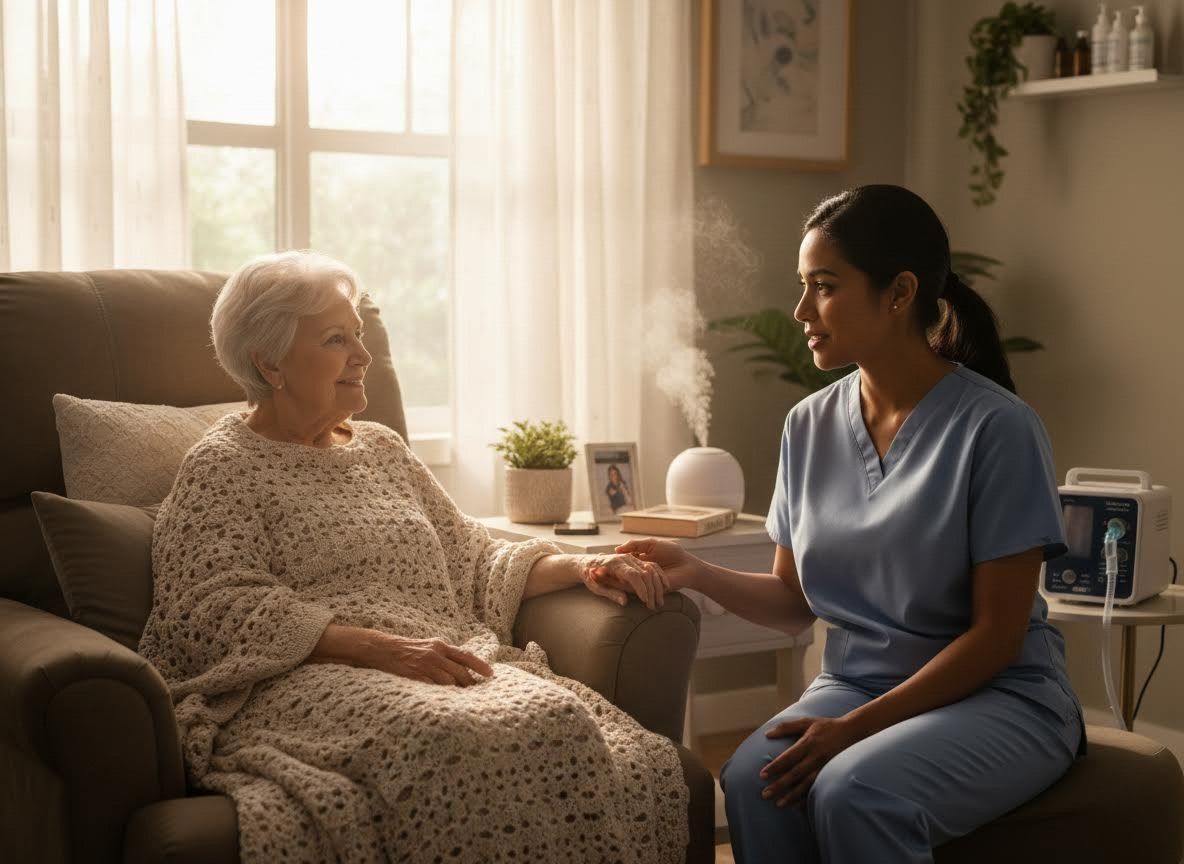
When a loved one is facing a serious illness, ensuring their comfort and dignity becomes a paramount concern, especially as they transition to hospice care. Pain management is not merely a component but a central pillar of effective hospice, aiming to enhance the quality of life for patients and provide peace of mind for families. At A Serene Health Services, we understand that addressing pain comprehensively allows individuals to live their remaining time with greater comfort and meaning, surrounded by those they cherish. This approach helps transform a challenging period into one focused on comfort, connection, and serenity.

Understanding Pain in Hospice Care
Pain in hospice is often multifaceted, encompassing not only physical discomfort but also emotional, spiritual, and social distress. Effective pain management begins with a thorough and ongoing assessment of the patient's unique experience, recognizing that pain is subjective and can manifest differently in each individual. The goal is not just to reduce pain, but to alleviate suffering, allowing patients to participate more fully in their daily lives and interactions. This often involves a personalized plan that is regularly re-evaluated, adjusting as the patient's condition or needs change. A compassionate approach ensures that all aspects of a person's pain are acknowledged and addressed.
Diverse Approaches to Pain Relief
Managing pain in homestead hospice care involves a wide array of strategies, moving beyond conventional medications to embrace a holistic perspective. Pharmaceutical interventions, including opioids and non-opioids, are often crucial for physical pain, administered carefully to achieve optimal relief with minimal side effects. However, effective care extends to non-pharmacological methods such as massage therapy, acupuncture, heat or cold applications, and gentle movement. Emotional and spiritual support, like counseling, music therapy, or spiritual guidance, also play a significant role in alleviating the broader experience of suffering. When families are taking care of family members at home, a comprehensive home health care plan incorporates these diverse methods.

The Role of the Care Team and Environment
A multidisciplinary team is essential in developing and implementing an effective pain management plan. This team typically includes physicians, nurses, social workers, spiritual counselors, and volunteers, all working collaboratively. Their expertise ensures that all dimensions of pain are addressed and that the patient's preferences and values are respected. The environment in which care is provided also significantly impacts comfort. Whether it's through homestead hospice services or professional private duty nursing, creating a peaceful and familiar setting can greatly contribute to a patient's sense of well-being, reducing anxiety and making pain more manageable.
Supporting Families and Caregivers
Navigating a loved one's illness can be incredibly demanding for family members and caregivers. Providing robust pain management for the patient also indirectly supports their loved ones by alleviating their concerns about their family member's suffering. Education and open communication about pain assessment and management strategies empower families to be active participants in the care process. Services like long-term respite care are invaluable, offering temporary relief to primary caregivers, allowing them to rest and recharge while knowing their loved one's comfort remains a top priority. This comprehensive support helps maintain the well-being of the entire family unit.