
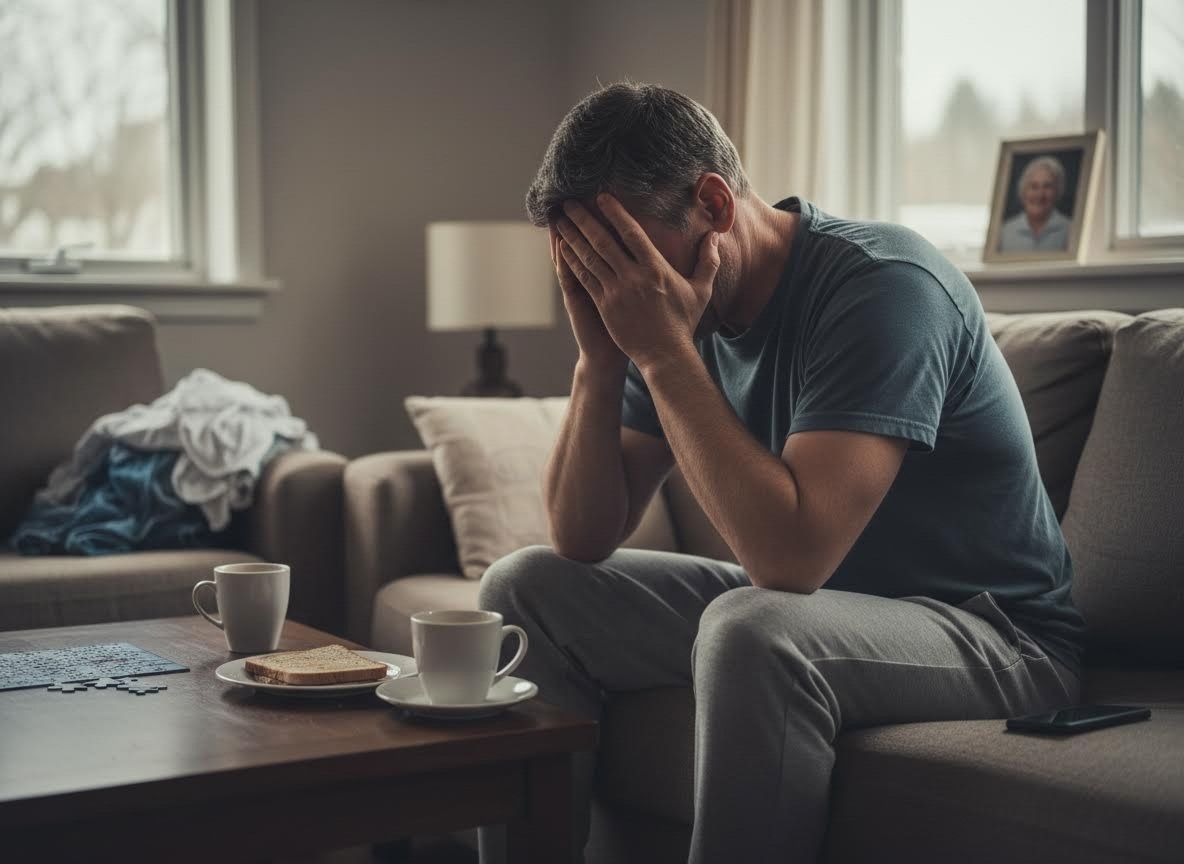
For caregivers, the journey of taking care of family members at home can be emotionally and physically taxing, often leading to a state of exhaustion known as caregiver burnout. A Serene Health Services understands the immense dedication involved and recognizes the importance of identifying the signs of burnout early to ensure both the caregiver's well-being and the quality of care provided!

Emotional and Mental Exhaustion
One of the most common indicators of caregiver burnout is a persistent feeling of emotional and mental exhaustion. Caregivers often experience increased irritability, finding themselves easily frustrated or losing patience with their loved one or others. Feelings of anxiety or depression may become more pronounced, manifesting as persistent sadness, hopelessness, or a general lack of interest in activities they once enjoyed. This emotional toll can make it difficult to concentrate, leading to forgetfulness or an inability to make decisions, creating a cycle of stress and guilt.
Physical Symptoms and Neglect
The stress of caregiving can also manifest physically. Chronic fatigue that isn't relieved by sleep is a significant warning sign. Caregivers might experience changes in appetite, leading to unexpected weight gain or loss, or suffer from sleep disturbances such as insomnia or restless nights. Frequent headaches, muscle aches, and a weakened immune system leading to more frequent illnesses are also common. These physical symptoms often stem from neglecting one's own health needs, as the caregiver’s focus is entirely on the care recipient.

Social Withdrawal and Resentment
Caregivers under stress may find themselves gradually withdrawing from social activities and friendships. The demands of caregiving can leave little time or energy for personal connections, leading to feelings of isolation and loneliness. A subtle but potent sign of burnout can also be the development of resentment towards the care recipient, other family members who aren't helping, or even the situation itself. This resentment, often accompanied by guilt, can further exacerbate emotional distress and make the caregiving role feel like an insurmountable burden rather than an act of love.
Recognizing the warning signs of caregiver burnout is crucial for maintaining your own health and continuing to provide the best possible care for your loved one. Ignoring these signs can lead to serious consequences for both parties!